

 See My Latest Article on HelloNation
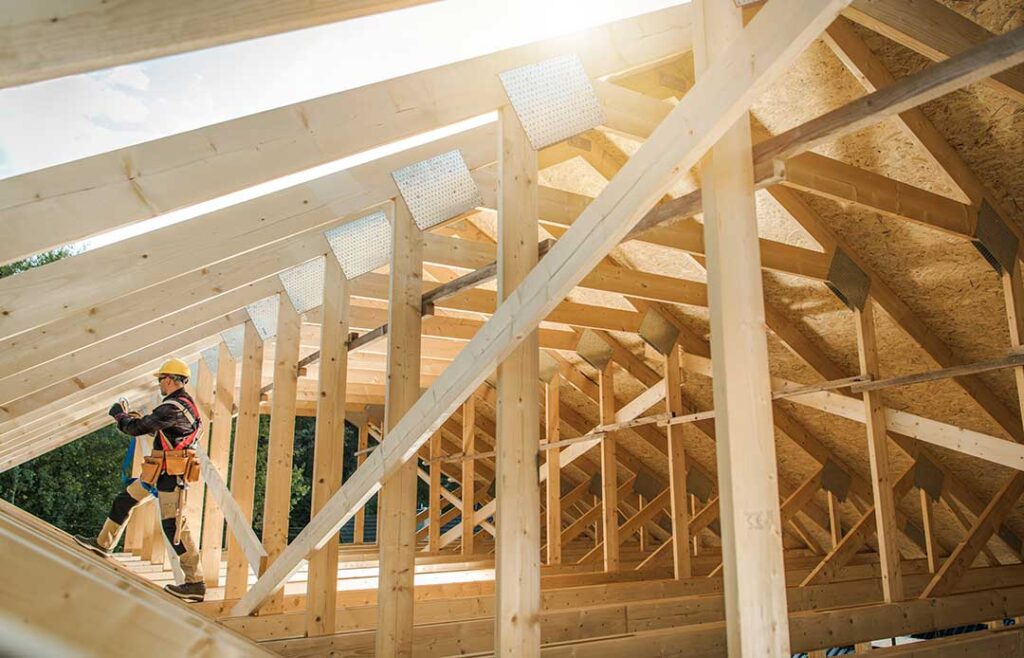
What Commonly Causes Construction Delays in Snowshoe, WV?
Construction delays happen for a mix of reasons, and local residents in Snowshoe, WV often experience project hold-ups due to factors specific to mountain weather, logistics, and changing building needs. Here’s a straightforward look at why schedules often stretch and what homeowners and community members might expect.
How Do Weather Conditions Affect Timelines?
Seasonal weather in Snowshoe, with its long winters and heavy snow, is the single biggest contributor to construction slowdowns. Freezing temperatures, high winds, and snow accumulation can make certain work not only difficult but unsafe or impossible.
Residents often wonder whether delays are avoidable—many are not, especially from November to March. Activities like concrete pouring, roofing, and exterior framing frequently halt until conditions improve. Even spring and fall can bring wet days that keep equipment stuck or job sites inaccessible.
What Impact Does Snow and Ice Have?
- Roads become hazardous, slowing delivery of materials and movement of crews.
- Equipment can freeze or become unsafe to operate.
- Melting snow and mud hinder foundation work and landscaping.
Planning for weather contingencies is standard in the community, but unpredictable storms still cause unplanned downtime.
Why Are Materials Sometimes Delayed?
Even when weather is clear, deliveries can stall. Snowshoe’s mountain location often means a longer supply chain. Materials must travel up winding roads, and delays elsewhere in the region will quickly ripple into local projects.
What Are the Main Triggers?
- Out-of-stock items from regional warehouses extend wait times.
- Limited local storage for bulk materials means “just in time” delivery is common—but vulnerable to disruptions.
- Transportation slowdowns, either from weather or roadwork on Route 66, cause delays that stack up quickly.
Homeowners often notice delays with specialized components such as windows, custom lumber, or appliances, which are supplied from outside the area.
Do Permitting and Inspections Cause Delays?
Building in Snowshoe requires permits and periodic inspections, each with its own timeline. While the local process is generally efficient, certain factors can introduce hiccups:
- Increased volume, especially ahead of winter, can back up permit reviews.
- Misunderstandings or incomplete applications can lead to requests for more information.
- Inspections are sometimes postponed due to inspector availability, local holidays, or unsafe weather conditions.
Residents accustomed to faster approvals elsewhere may find the process here takes longer, especially in busy seasons.
How Do Labor Shortages Play a Role?
The workforce in Snowshoe is skilled but limited, and this sometimes leads to scheduling issues or longer project durations. Construction tends to be busiest during the shorter warm season, so demand for crews often outweighs availability.
What Situations Commonly Arise?
- Projects may wait several days for specific trades like electricians or HVAC installers.
- Unexpected absences matter more in smaller crews, where each worker is critical for progress.
- Seasonal tourism work can also pull labor towards hospitality jobs, especially in late fall and ski season.
This means flexibility is often needed, and residents benefit from clear scheduling and communication.
Can Project Changes or Scope Creep Cause Delays?
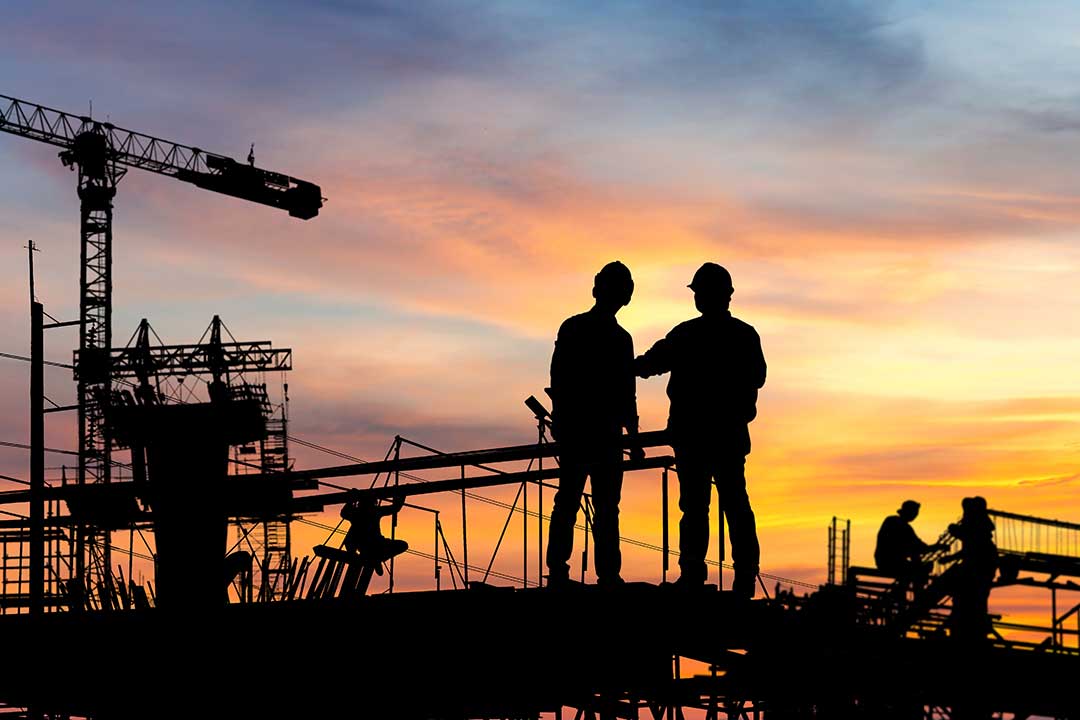
Alterations to plans, whether by homeowners or due to unknown site conditions, are another common reason projects fall behind. Even small changes can create ripple effects in Snowshoe’s tightly coordinated job sites.
Where Do Delays Most Commonly Happen?
- Changes to finishes, layouts, or materials require new orders and sometimes new permits.
- Discoveries during excavation—like buried debris or unmarked utilities—call for re-engineering or utility work.
- Upgrades to energy efficiency or resiliency for local weather may mean sourcing new materials or waiting on specialist consultations.
These delays are often underestimated, especially when changes seem minor.
What About Site Access and Terrain?
Snowshoe’s mountainous setting poses ongoing logistical challenges. Getting equipment and supplies to the right spot, especially on narrow or steep driveways, can slow things down.
Typical Local Site Challenges:
- Muddy conditions after snowmelt can make sites inaccessible to heavy vehicles.
- Homes on steeper lots may require specialized equipment, which is sometimes busy elsewhere.
- Utilities like water and electricity may not be immediately available at remote sites, adding set-up days.
Locals understand that mountain building is different than in flatter, urban environments and factor these realities into project timelines.
How Can Homeowners Minimize Potential Delays?
While not all delays are preventable, communication and flexibility make a real difference. Residents can help by:
- Making major design and material decisions early.
- Preparing for the possibility of weather-related downtime.
- Allowing for extra time, especially for projects started late in the season or those requiring specialized materials.
Misconceptions sometimes arise when comparing construction timelines in Snowshoe to areas with milder climates or easier transportation. Here, patience and proactive planning help households and builders alike adapt to local challenges.