

 See My Latest Article on HelloNation
What Risks Does Construction Pose to Homes in Snowshoe, WV?
Construction projects—whether a major remodel, addition, or emergency repair—introduce risks to any home. In Snowshoe, the unique combination of mountain weather, seasonal freeze-thaw cycles, and the close proximity of homes to wooded areas or steep grades can intensify these risks. Common concerns include damage from dust, debris, moisture intrusion, accidental impacts, and disruptions to utilities. Short windows for exterior work, sudden rain or snow, and limited access routes also shape how homeowners should prepare.
How Can Dust and Debris Be Kept Out During Construction?
Airborne dust and debris are nearly unavoidable. They can travel far beyond the immediate construction zone, settling on surfaces, entering HVAC systems, or even damaging electronics and finishes.
To minimize this:
- Use plastic sheeting and zippered dust barriers to seal off active work zones, especially where construction is separated from living areas.
- Close interior doors and cover or remove soft furnishings in neighboring rooms.
- Change HVAC filters more often, and, if safe, turn off forced air systems while the dustiest tasks are in progress to avoid spreading particulate.
- For homes with a wood stove or open fireplace, ensure flues are temporarily sealed (when not in use) to prevent fine debris from entering.
Misconception: Some assume closing a door is enough; however, dust can travel through tiny gaps, requiring additional measures such as taping or weatherstripping and using air purifiers if possible.
What Measures Prevent Moisture Intrusion and Water Damage?
Given the frequently damp or snowy conditions in Snowshoe, unfinished roofs, new wall openings, or exposed foundations can quickly allow water in. Unchecked moisture can cause long-term structural or mold issues.
Effective steps include:
- Scheduling exterior work for drier forecast windows, though rapid weather changes may require flexibility.
- Ensuring temporary covers (such as tarps or plastic sheeting) are properly secured, with attention to wind gusts common in higher elevations.
- Installing temporary gutters or drainage channels to direct runoff away from the foundation.
- Checking that newly cut holes for windows, doors, or utility access are promptly weather-sealed at the end of each workday.
- Inspecting basements and crawl spaces often during construction, especially if excavation is nearby or slopes direct water toward the home.
Tip: In areas with melting snow, monitor for pooling around the construction site or foundation, as freeze-thaw cycles can worsen seepage.
How Should Homeowners Protect Utilities and Essential Systems?
Construction activity can disrupt electricity, water, gas, or internet service. Tools may overload older circuits, while excavation risks nicking underground lines. In winter, any loss of heat poses risks for both residents and pipes.
To avoid issues:
- Locate and clearly mark any underground lines before beginning any digging, using local utility map resources or state services when required.
- Discuss any planned outages or system adjustments with all occupants in advance.
- If construction is scheduled during cold periods, arrange for temporary heating sources if furnace access will be blocked, but only use approved, indoor-safe units.
- Keep a list of emergency service shutoff valves and switches handy, and ensure all adults present know how to use them.
- Set up backup lighting and water supplies in case a mistake or emergency interrupts service.
How to Safeguard Valuables, Pets, and Children?
Construction zones are hazardous for children, pets, and valuables. Openings, tools, and loose debris multiply risks, especially in compact or multistory homes common in mountain communities.
Recommended precautions:
- Remove irreplaceable or fragile valuables from rooms adjacent to ongoing work.
- Establish physical barriers and strict rules about work zone access for children and visiting family.
- Keep pets in a secure, quiet part of the house—ideally on a different floor or behind closed doors—since loud noises and unfamiliar workers can cause anxiety or dangerous escapes.
- Post clear signage if construction impacts common entryways or creates new hazards on paths.
Overlooked detail: Vibrations and impacts from construction can dislodge items on shelves or walls far from the actual work, so it’s wise to secure artwork, mirrors, and breakables throughout the home.
How Does the Local Climate Affect Preparation?
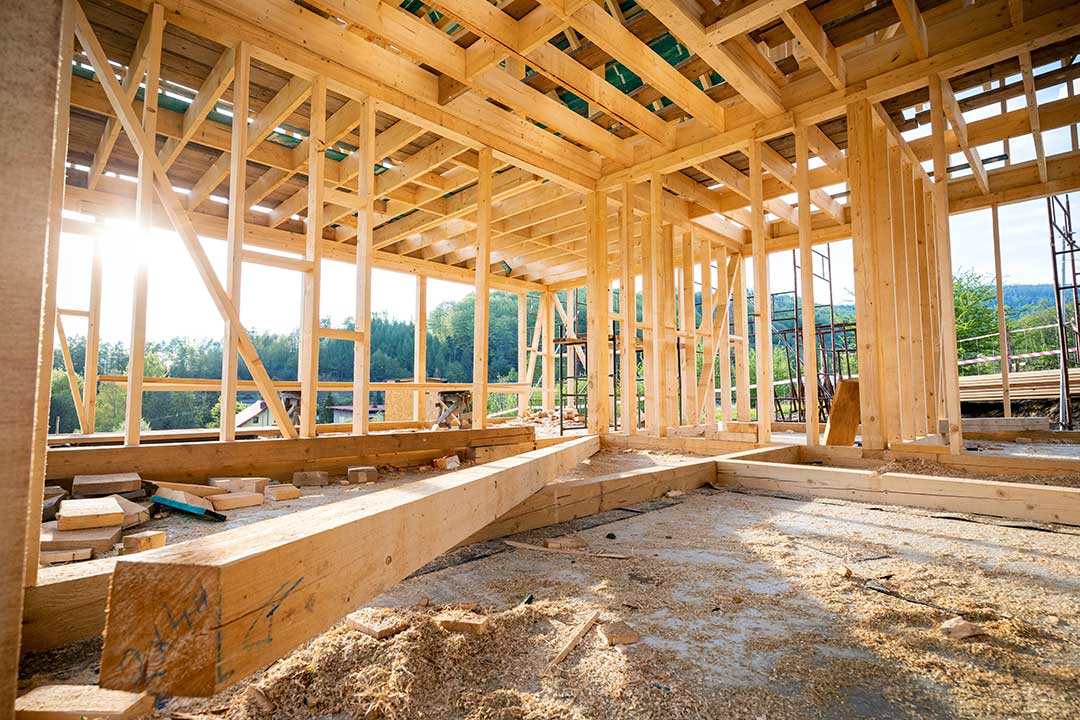
Mountain weather in the area brings sudden cold snaps, high winds, and heavy, wet snow, which can greatly increase risks tied to open structures or exposed materials.
Local considerations:
- Plan for rapid weather protection even during “shoulder seasons”—a sunny start can shift to sleet or hail within hours.
- Store building materials off the ground and under cover to prevent warping, mold, or ice damage.
- Ensure that exterior pathways remain safe and snow-free, especially if workers will walk back and forth daily.
- Use materials suited for the local freeze-thaw cycle when making temporary repairs or covers.
What Legal or Neighborhood Rules Should Be Considered?
The community’s small size and terrain often mean homes are closer together, and some areas may have particular requirements for construction safety, noise, or access.
General guidance:
- Check with public agencies for any special local ordinances about construction hours or seasonal restrictions, especially around holiday weekends or winter events.
- Maintain clear, polite communication with neighbors: share timelines and explain any anticipated disruptions to mitigate frustrations or conflicts.
- Confirm whether any changes or impacts to public paths, roads, or shared driveways are permitted.
How to Monitor Progress and Address Emerging Problems?
Regular checks by the homeowner are essential. Don’t assume construction crews will notice every small issue, particularly during early demolition or exterior work.
Effective steps:
- Do a walk-through each morning and evening (before and after work starts) to spot new leaks, damage, or safety hazards.
- Photograph conditions before, during, and after so any new or unexpected damage can be tracked and resolved.
- Speak up immediately if a concern is noticed: water trickling in, dust in unprotected rooms, or gaps in barriers.
- Continue monitoring even after the major work ends, to catch issues like slow leaks, drafts, or settling dust that can have delayed effects.