

 See My Latest Article on HelloNation
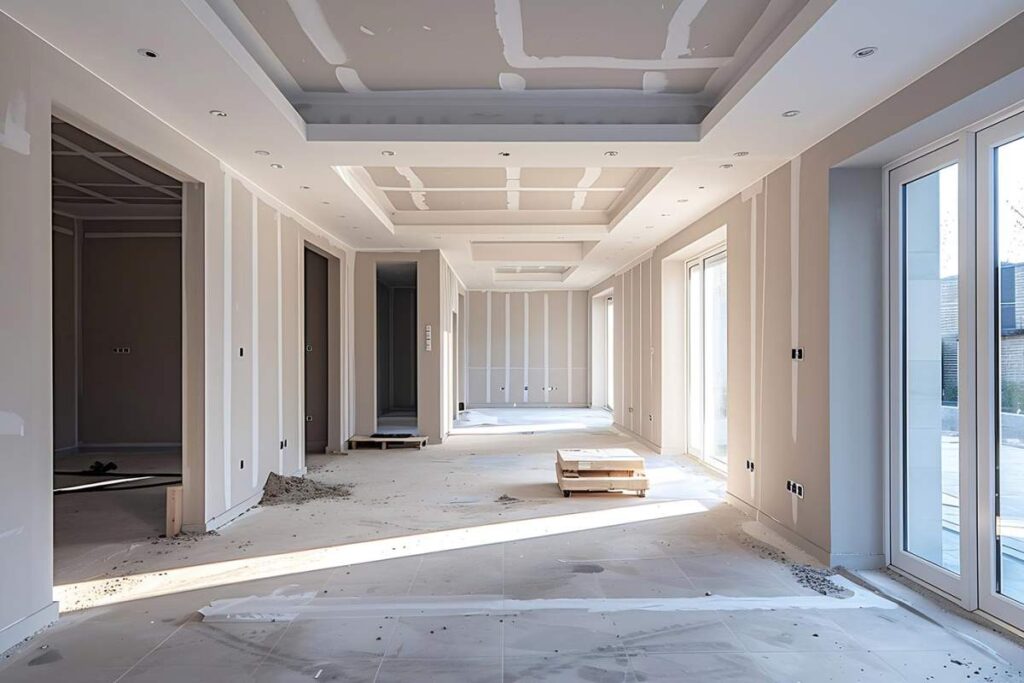
Older homes in Snowshoe, WV may contain asbestos-containing materials or lead-based paint, especially if they were built or renovated before modern safety standards became common. The safest approach is not to begin removal based on appearance alone. First identify the material, determine whether the planned work will disturb it, and understand the handling and disposal requirements.
How can a homeowner tell whether asbestos or lead paint is present?
The short answer is that visual inspection is not enough. Asbestos cannot be reliably identified by color, texture, age, or product type, and lead-based paint may be hidden beneath several layers of newer paint.
Suspect asbestos materials may include:
- Older floor tile, sheet flooring, or flooring adhesive
- Popcorn-style ceiling texture
- Pipe, boiler, or duct insulation
- Cement siding or roofing products
- Ceiling tiles
- Plaster, window glazing, and some patching compounds
- Vermiculite attic insulation
Lead-based paint is more likely in homes built before 1978. It may be present on doors, windows, trim, porches, cabinets, stair components, and exterior siding. Friction and impact can create dust from painted windows, doors, and floors even when the paint does not appear badly damaged.
Only laboratory analysis can confirm asbestos. Samples should be collected by a properly trained asbestos inspector because cutting or breaking a suspect material can release fibers. For lead, a homeowner may choose to assume that paint in a pre-1978 home contains lead, or arrange testing by a qualified lead inspector or risk assessor before renovation.
Is asbestos dangerous if it is left alone?
Usually, asbestos-containing material that is intact and will not be disturbed is less likely to release fibers. The danger increases when material is cut, drilled, sanded, scraped, crushed, torn, or damaged by water, impact, or age.
That means removal is not always the safest first choice. An intact layer of old floor tile may be safer left in place and covered than pulled up. A sound section of pipe insulation may be safer left undisturbed than opened for inspection.
Snowshoe’s cold winters, freeze-thaw cycles, heavy snow, and seasonal moisture can contribute to roof leaks, condensation, and water damage. Homeowners should pay particular attention to suspect materials near attic penetrations, chimneys, plumbing, mechanical equipment, and areas where ice or moisture may have entered. Do not sweep, vacuum with a standard household vacuum, or handle crumbling material casually.
If damage is present, keep people and pets away from the area. Avoid creating air movement, close nearby doors if possible, and postpone demolition or repair until the material has been evaluated.
Should asbestos removal be a do-it-yourself project?
Asbestos removal generally should not be treated as an ordinary home improvement task. Proper work may require containment, controlled wet methods, specialized protective equipment, decontamination procedures, air-control practices, and approved disposal.
Common mistakes include:
- Breaking materials into smaller pieces to make them easier to carry
- Using power tools or compressed air
- Dry sweeping dust
- Placing suspect waste in ordinary household trash
- Removing insulation from pipes or heating equipment without an assessment
- Disturbing vermiculite attic insulation
In West Virginia, renovation and demolition work involving existing structures generally requires an asbestos inspection before work begins. Certain regulated asbestos projects also require notification to the state Division of Air Quality at least 10 working days before the project starts. Inspection, worker qualification, removal, transport, and disposal requirements may apply even when a homeowner is working on a small building.
A qualified, properly accredited asbestos professional is warranted when suspect material is damaged, when planned work will disturb it, or when the project involves demolition, mechanical systems, flooring, ceilings, roofing, or insulation. Keep written records of testing and any removal documentation for future repairs or property transactions.
What is the safest way to manage lead-based paint?
Lead paint does not automatically require complete removal. If it is intact and not creating dust, the safer strategy may be maintenance, repair, or covering the surface with an appropriate stable coating.
The risk rises when paint is peeling, chalking, or rubbing against another surface. Renovation tasks such as sanding, window replacement, cutting drywall, removing trim, drilling, and demolition can create fine lead dust that is easily carried through a house.
For a pre-1978 home:
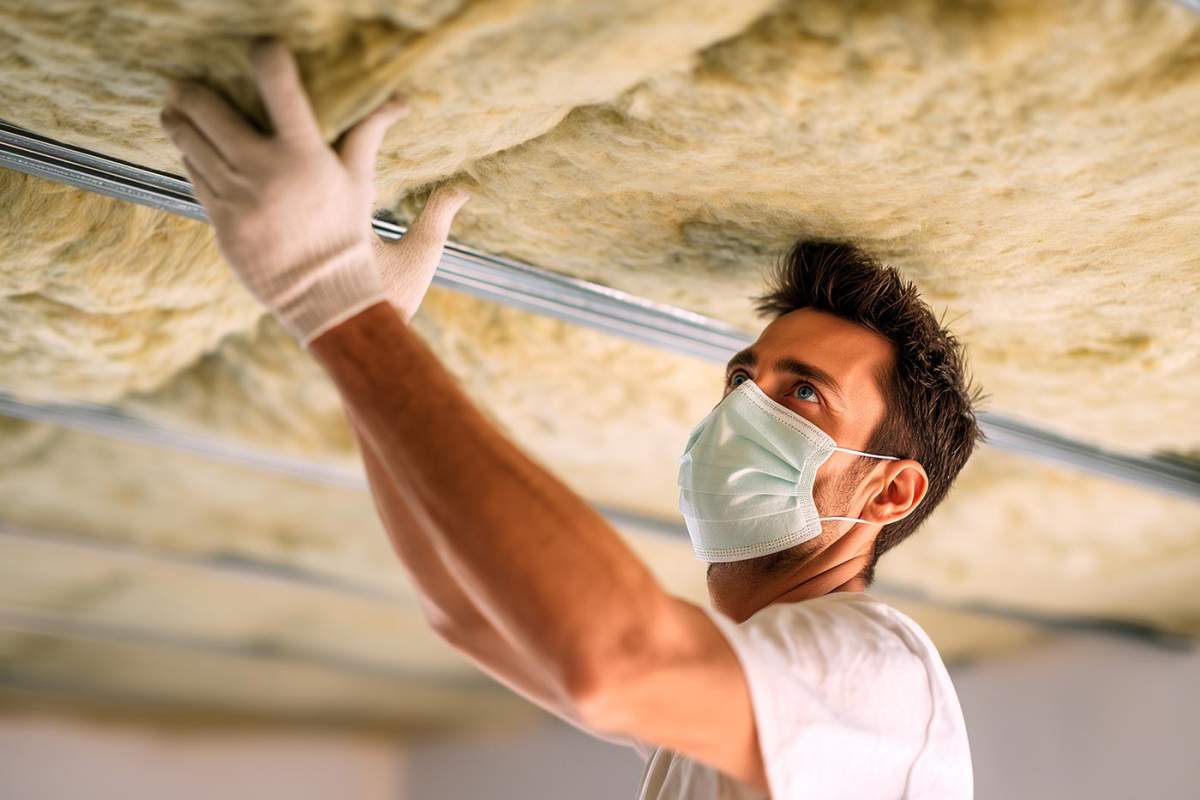
- Keep children and pregnant people away from the work area.
- Remove or cover furniture, clothing, toys, and food.
- Close doors and heating or ventilation openings that could spread dust.
- Use plastic containment and a controlled entry area.
- Avoid dry sanding, open-flame burning, and high-temperature paint removal.
- Use wet methods and tools designed to control dust.
- Clean with a HEPA-filtered system and wet wiping methods.
- Wash hands, work clothing, and exposed skin before entering clean areas.
- Keep work debris contained until it can be disposed of properly.
A regular household vacuum is not designed to capture all hazardous lead dust. Wet cleaning and a properly equipped HEPA vacuum are important parts of cleanup.
Do lead paint rules apply to homeowners?
The federal Renovation, Repair, and Painting rule generally applies to firms paid to disturb paint in pre-1978 housing and child-occupied facilities. Paid workers must be certified and trained in lead-safe practices, including containment, cleaning, occupant protection, and required information for residents.
Some limited exemptions may apply to minor maintenance, but homeowners should not assume that a small job is automatically safe. Window replacement and demolition can fall under the rule regardless of the amount of paint disturbed. The rules also differ for rental housing, home-based child care, and properties bought, renovated, and sold for profit.
Homeowners performing work on their own residence may not be covered in the same way as paid firms, but the health risks remain. Lead-safe practices should still be followed, particularly in homes occupied by children under six, pregnant people, older adults, or anyone with a condition that increases vulnerability to dust exposure.
What should happen if material is disturbed accidentally?
Stop work and avoid walking through the area. Do not sweep or use a household vacuum. Keep children, pets, and other occupants away, and prevent dust or debris from being tracked into clean rooms.
For suspected asbestos, do not collect loose material with bare hands or attempt to bag it without guidance. For suspected lead paint dust, isolate contaminated clothing and wash exposed skin. If a child may have swallowed paint chips or been exposed to substantial dust, contact a healthcare provider or poison information service promptly.
Before work resumes, the affected area should be assessed, cleaned using appropriate methods, and cleared for occupancy when necessary. The response may be more involved if debris entered heating ducts, floor cavities, attics, or other difficult-to-clean spaces.
How should a project be planned in an older home?
A safe sequence is:
1. Determine the approximate construction and renovation history of the home.
2. Identify every surface that will be cut, removed, sanded, drilled, or demolished.
3. Test suspect asbestos materials before disturbance.
4. Test for lead or treat painted surfaces as lead-based in a pre-1978 home.
5. Plan containment, occupant protection, cleanup, and waste handling before starting.
6. Check West Virginia notification and disposal requirements for asbestos-related work.
7. Schedule dusty work during a period when the home can be safely vacated.
8. Keep test results, permits or notifications, receipts, and clearance records with the property documents.
Older homes can be repaired safely, but the safest project is usually the one that avoids unnecessary disturbance. Stabilizing sound materials, correcting moisture problems, and planning each cut or removal before work begins can prevent a small repair from becoming a household contamination problem.